
PRODUCT CLASSIFICATION
Polypeptide Hormone
ACNE RISK
None
WATER RETENTION
None
HBR CONTENT
None
HEPATOTOXICITY RISK
None
AROMATIZATION
None
MANUFACTURER
Beligas
WAREHOUSE LOCATION
International Warehouse 3
ACTIVE SUBSTANCE
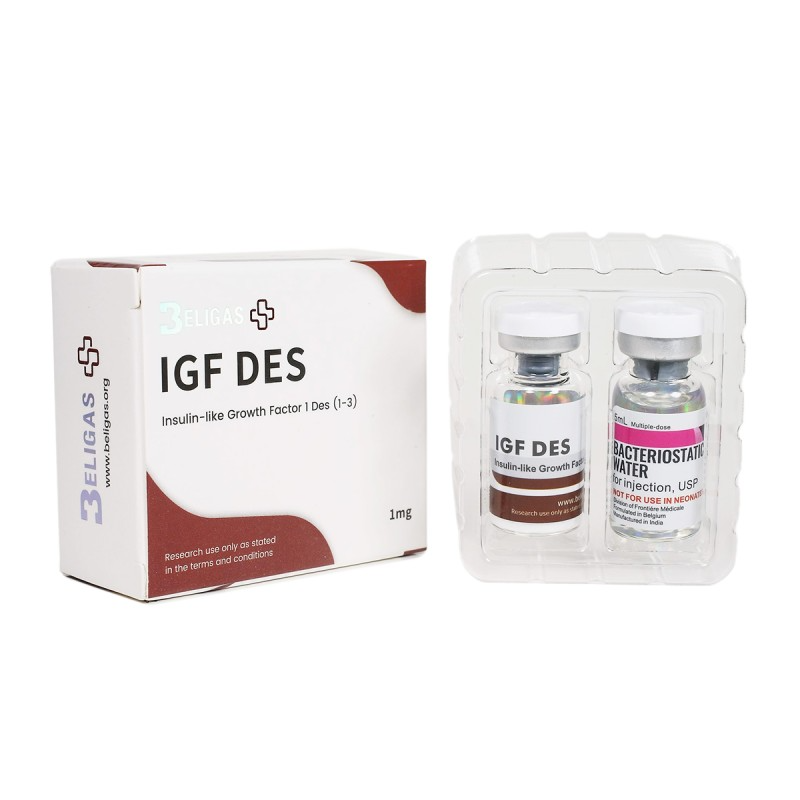
IGF-1 DES
Insulin-like Growth Factor 1 (IGF-1), also known as Somatomedin C, is a vital hormone that shares similarities with insulin in its molecular structure. It's essential for stimulating growth during childhood and promotes anabolic processes in adults.
Produced primarily by the liver, IGF-1 is one of several growth factors crucial for normal human development, synthesized in various tissues throughout the body.
The structure of IGF-1 comprises 70 amino acids, resembling insulin, and features an A and B chain linked by disulfide bonds, along with a C peptide region made up of 12 amino acids.
USAGEIGF-1 plays a pivotal role in the healthy growth and development of bones and tissues, and it can effectively lower blood glucose levels. It encourages the utilization of fat cells, promoting fat loss while helping to increase lean body mass?benefits that are highly sought after by athletes and bodybuilders. Elevated IGF-1 levels are associated with weight gain, which is primarily due to an increase in lean body mass rather than fat accumulation.
This hormone is particularly favored within the bodybuilding community and among fitness enthusiasts for its ability to shorten recovery times and enhance energy during workouts.
IGF-1 injections are commonly used for both adults and children suffering from growth hormone deficiencies. For children facing developmental delays, IGF-1 provides crucial amino acids, while it also serves as a supplement for adults with deficiencies.
Research suggests that IGF-1's anabolic properties may be linked to its capacity to inhibit protein breakdown and stimulate protein synthesis in skeletal muscle, potentially aiding in the healing process for burns and other tissue abnormalities.
MECHANISM OF ACTIONIGF-1 is a naturally occurring hormone in the bloodstream that primarily regulates the functions of growth hormone. The normal actions of IGF-1 and growth hormone include facilitating tissue and bone growth. IGF-1 is produced in various tissues in response to the growth hormone circulating in the bloodstream.
This hormone supports comprehensive growth throughout the body, exerting growth-stimulating effects on most cell types, including those found in bone, cartilage, skeletal muscle, liver, kidney, nerve, skin, and lung. Along with its insulin-like effects, IGF-1 also plays a crucial role in regulating cellular DNA synthesis.
ADMINISTRATIONIGF-1 is typically administered through subcutaneous injection into a soft area of the body, such as the abdomen, but can also be given intramuscularly.
INJECTION METHOD:Before using IGF-1, ensure you have a clean and sterile syringe.
- Hold the IGF-1 vial upright and insert the syringe into the center of the cap.
- Pull the plunger back to draw the appropriate dosage (see ?Dosage? below) into the syringe and remove it carefully.
- Clean the intended injection site with alcohol.
- Pinch the skin around the injection site, leaving about 2 cm on each side.
- Position the syringe at a 90-degree angle to your skin and swiftly insert the needle.
- Push the plunger down completely to empty the syringe, then withdraw it carefully.
For promoting lean muscle growth and fat loss:
DOSAGE GUIDELINES:- 40 mcg - 50 mcg daily Men:
- 10 mcg - 20 mcg daily Women:
IGF-1 should not be injected more than twice a day. A typical dosage cycle may last from 2 to 12 weeks. Children and adults prescribed IGF-1 for growth deficiencies should consult a healthcare provider for appropriate dosing.
SIDE EFFECTSPotential side effects of IGF-1 may resemble those associated with other growth hormones, including abnormal tissue growth (acromegaly) and possible damage to the joints, liver, and heart. Common side effects include joint and muscle pain, headaches, and nausea. Additionally, IGF-1 may lower blood glucose levels, leading to a risk of hypoglycemia. Research has also linked IGF-1 with an increased risk of specific cancers, including lung, breast, colorectal, and prostate cancers.
BENEFITS- Enhances protein synthesis in the body
- Regulates fat stores and converts them into energy, aiding in fat loss
- Boosts metabolism, promoting lean body mass and muscle growth
- Provides protection against autoimmune diseases, heart disease, and plaque buildup
- Supports growth in children and supplements for adults lacking essential amino acids
- Improves blood sugar regulation
- Promotes overall health, wellness, and fitness among users