
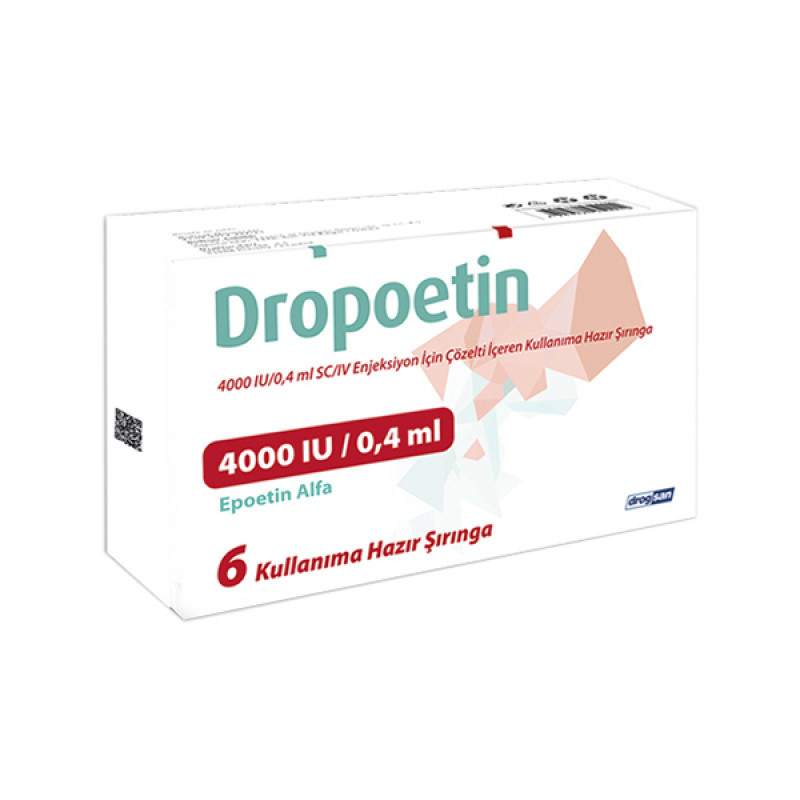
Product Classification:
Glycoprotein Cytokine
Acne:
No
Water Retention:
No
HBR:
No
Hepatotoxicity:
No
Aromatization:
No
Manufacturer:
Drogsan
Warehouse:
International Warehouse 2
Active Substance:
Erythropoietin
Indications for Dropoetin:
Dropoetin is a vital treatment for managing anemia associated with chronic kidney failure in both children and adults undergoing hemodialysis or peritoneal dialysis. This medication is also effective for adults suffering from severe renal-derived anemia who have clinical symptoms but are not yet on dialysis.
In addition, Dropoetin plays a crucial role in treating anemia for adult cancer patients (with non-myeloid malignancies) undergoing chemotherapy, helping to lessen the need for blood transfusions.
For HIV-infected adults on zidovudine treatment with endogenous Dropoetin levels of ?500 mU/ml, this medication is indicated for effective anemia management.
Dropoetin is also recommended for adults with moderate anemia (hematocrit levels of 33-39%, hemoglobin levels of 10-13 g/dL, and no iron deficiency) who are scheduled for major elective surgeries and may require more blood than can be collected through autologous methods. Treatment is advised if blood conservation methods are not sufficient for surgeries anticipated to require significant blood volumes (4 or more units for females or 5 or more units for males).
Additionally, Dropoetin enhances erythropoiesis during the perioperative phase, reducing the likelihood of allogeneic blood transfusions and addressing postoperative anemia in adult patients without iron deficiency undergoing major elective orthopedic surgeries. This application is specifically for patients with moderate anemia (e.g., Hb 10-13 g/dL) who do not have access to autologous predonation programs and are expected to experience moderate blood loss (900 to 1800 ml).
Finally, Dropoetin is prescribed for treating anemia in patients with Low or Intermediate 1-risk Myelodysplastic Syndrome (MDS), particularly those with hemoglobin levels below 10 g/dL.
Using Dropoetin:
Administer Dropoetin strictly as directed by your healthcare provider. Always refer to the medication label for precise dosing instructions. A Medication Guide is included with Dropoetin; ensure you read it thoroughly and keep it handy for future reference.
Typically, Dropoetin is administered via injection in a doctor's office, hospital, or clinic. If you plan to use it at home, a healthcare professional will guide you on its proper use, making it essential to understand the procedure fully. Always adhere to the guidelines provided and contact your healthcare provider with any questions.
When preparing your dose, follow the techniques demonstrated to avoid contamination of the vial, syringe, or medication. Avoid touching the rubber stopper or syringe needle with your fingers.
Double-check that you have drawn the correct dose before administration. Never shake Dropoetin, and do not use it if it has been shaken or frozen. Do not dilute or mix Dropoetin with other solutions unless specifically instructed by your physician.
If you are using a single-dose vial, dispose of any unused medication after administration. For questions about single-dose vials, consult your doctor, pharmacist, or healthcare provider.
Do not use Dropoetin if it appears cloudy, discolored, contains particles, or if the vial is damaged or cracked. Store Dropoetin, along with syringes and needles, out of reach of children and pets. Never reuse needles, syringes, or other supplies. Ask your healthcare provider about proper disposal methods and adhere to local regulations.
Continue taking Dropoetin as prescribed, even if you feel well, and do not miss any doses. If you miss a dose, reach out to your doctor promptly.
Feel free to contact your healthcare provider with any questions regarding the use of Dropoetin.
Dropoetin Side Effects:
Potential serious side effects include:
- Increased Mortality
- Myocardial Infarction
- Stroke
- Thromboembolism
- Higher risk of mortality and/or increased chance of tumor progression or recurrence in cancer patients
- Hypertension
- Seizures
- Pure Red Cell Aplasia (PRCA)
- Severe allergic reactions