
PRODUCT CLASSIFICATION
Steroid Antibacterials
ACNE
No
WATER RETENTION
No
HBR
No
HEPATOTOXICITY
No
AROMATIZATION
No
MANUFACTURER
Abdi Ibrahim
STORAGE LOCATION
International Warehouse 2
ACTIVE COMPONENT
Sodium Fusidate
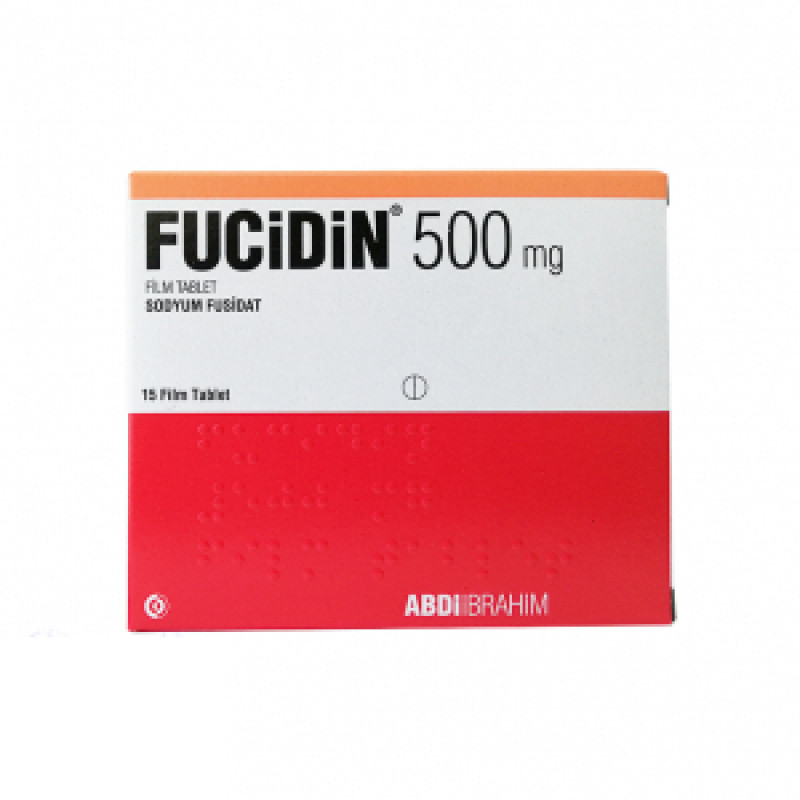
Fucidin is a powerful treatment specifically designed to combat a range of staphylococcal infections caused by susceptible bacteria. This versatile medication effectively addresses various conditions, including skin infections, osteomyelitis, pneumonia, sepsis, wound infections, endocarditis, and superinfected cystic fibrosis.
For patients who cannot take oral medications?especially those with unreliable gastrointestinal absorption?Fucidin is optimally delivered intravenously, ensuring effective treatment.
Dosage and Administration Recommended DosageFor the treatment of staphylococcal skin infections:
Adults: - Standard dosage: 250 mg of sodium fusidate, administered twice daily for 5 to 10 days.
For more severe staphylococcal infections, including osteomyelitis, pneumonia, sepsis, wound infections, endocarditis, and superinfected cystic fibrosis:
Adults: - Standard dosage: 500 mg of sodium fusidate, given three times daily.
In cases of aggressive infections, dosages may be adjusted or combined with other treatments as necessary.
No dosage adjustments are required for elderly patients or those with renal impairment, as Fucidin is primarily eliminated through bile. Furthermore, patients undergoing hemodialysis do not need dosage modifications, as Fucidin is not significantly removed during the procedure.
Administration MethodFucidin is intended for oral administration.
Special Warnings and PrecautionsThe concurrent use of statins (HMG-CoA reductase inhibitors) with systemic Fucidin is not recommended due to reports of rhabdomyolysis, some resulting in fatalities. If systemic Fucidin is necessary, statin therapy should be paused for the duration of treatment. Patients experiencing symptoms such as muscle weakness, pain, or tenderness should seek immediate medical attention. Statin therapy may be resumed seven days after the last dose of systemic Fucidin. In rare situations where prolonged systemic therapy is essential for severe infections, the combination with statins should be carefully evaluated on an individual basis.
Be vigilant for severe skin reactions, including Drug Reaction with Eosinophilia and Systemic Symptoms (DRESS) syndrome, toxic epidermal necrolysis (Lyell's syndrome), and Stevens-Johnson syndrome, associated with systemic Fucidin. These reactions typically emerge within the initial weeks of treatment. If any of these reactions are suspected, Fucidin must be discontinued immediately and should not be reintroduced.
Fusidic acid is metabolized in the liver and excreted through bile. Some patients may experience elevated liver enzymes and jaundice during systemic Fucidin therapy, although these effects usually resolve after discontinuing the medication.
Use systemic Fucidin cautiously in patients with liver dysfunction or those on hepatotoxic medications, ensuring regular monitoring of liver function. Extra care is essential for individuals with biliary disease, obstructions, or those on HIV protease inhibitors. Fusidic acid can interfere with bilirubin binding to albumin, so caution is warranted for patients with impaired bilirubin transport and metabolism, particularly neonates, due to the risk of kernicterus.
There are reports of bacterial resistance linked to fusidic acid use. As with all antibiotics, prolonged or repeated usage may increase the risk of developing antibiotic resistance.
Patients with rare hereditary conditions such as galactose intolerance, Lapp lactase deficiency, or glucose-galactose malabsorption should avoid using this medication due to its lactose content.