
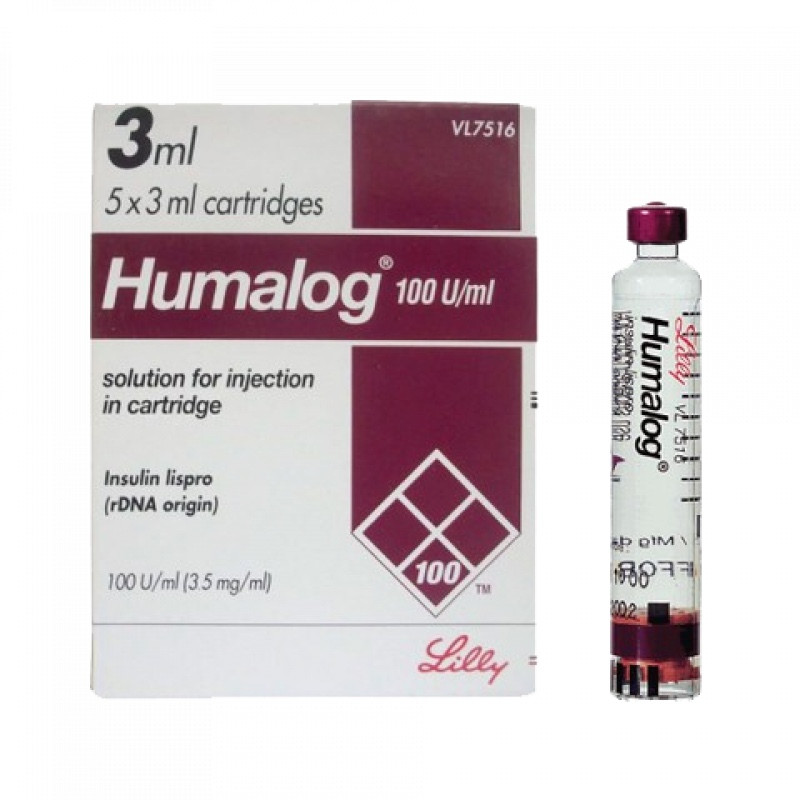
PRODUCT CLASSIFICATION
Hormone and Synthetic Substitute / Antidiabetic Agent
ACNE
None
WATER RETENTION
None
HBR
None
HEPATOTOXICITY
None
AROMATIZATION
None
MANUFACTURER
Lilly
WAREHOUSE
International Warehouse 2
ACTIVE SUBSTANCE
Insulin
Insulin is a vital anabolic hormone essential for optimal health and metabolic function in all individuals. While the body naturally produces insulin, those diagnosed with diabetes often require additional, exogenous sources. Performance athletes may also utilize insulin to encourage lean muscle growth. However, off-label use carries significant risks; therefore, extreme caution is paramount.
Exogenous insulin has been available since the 1920s, originally derived from the pancreases of dogs and later from cattle and pigs. Despite initial purity concerns, the life-saving benefits of insulin for many outweighed these issues. By the 1970s, advancements in purification led to the introduction of synthetic insulin by Ciba in 1975, with Humulin-R?the first fully human insulin?receiving FDA approval in 1982.
Functions and Characteristics of Insulin:
As a peptide hormone secreted by the pancreas, insulin is crucial in regulating glucose, amino acids, and fatty acids metabolism. It inhibits the breakdown of glycogen, fat, and proteins, making it indispensable for diabetic patients. There are two primary types of diabetes that necessitate insulin therapy: Type I diabetes, an autoimmune disorder leading to insufficient insulin production, and Type II diabetes, where insulin is produced but not effectively utilized, often linked to obesity.
Insulin positively affects liver function by encouraging glycogen conversion to glucose and suppressing gluconeogenesis. It also enhances glucose transport into cells, which can aid in muscle growth. Elevated insulin levels correlate with increased protein synthesis, enhanced bone density, and the production of Insulin-Like Growth Factor-1 (IGF-1), another potent anabolic hormone.
Additionally, insulin stimulates the production of Luteinizing Hormone (LH) and Follicle Stimulating Hormone (FSH), potentially boosting testosterone levels. While this effect may not be pronounced, it's still noteworthy.
Effects of Insulin:
Regardless of diabetes type, insulin plays a crucial role in regulating blood sugar levels. Its strong anabolic and anti-catabolic properties also benefit athletes. However, non-diabetics using exogenous insulin off-label may experience weight gain and severe health risks if not managed properly. Athletes utilizing insulin must monitor body fat levels closely, as elevated insulin inhibits fat burning.
To maximize its anabolic effects, insulin administration is best timed immediately after intense workouts, combined with a carefully structured diet to direct nutrients toward muscle tissue rather than fat storage. When complemented with anabolic steroids and Human Growth Hormone (HGH), insulin can help achieve substantial muscle gains.
Side Effects of Insulin:
Insulin may cause side effects, particularly hypoglycemia, which poses risks in athletic settings. While manageable for well-regulated diabetic patients, hypoglycemia can lead to severe complications if not addressed promptly. Symptoms include:
- Dizziness
- Hunger
- Drowsiness
- Blurred Vision
- Depression
- Excessive Sweating
- Heart Palpitations
- Tingling in Extremities
- Concentration Issues
- Headaches
- Lightheadedness
- Anxiety
- Irritability
- Slurred Speech
- Behavioral Changes
- Unsteadiness
If symptoms of hypoglycemia occur, immediate action is critical?consume quick-acting carbohydrates like candy or sugary drinks. It's essential to avoid sleeping after insulin administration, as drowsiness can indicate the need for additional carbohydrates. Ignoring this warning could lead to severe hypoglycemia during sleep, which can be life-threatening. Always have someone present when using insulin for safety.
While hypoglycemia is often easily corrected, severe cases can result in a diabetic coma, and there are documented fatalities linked to performance-related insulin use. Additionally, localized fat accumulation can occur at injection sites, so it?s advisable to rotate injection areas.
Insulin Administration:
In diabetes management?both Type I and Type II?the insulin dosage varies significantly based on individual needs, with no standard dosage applicable. For performance enhancement, understanding insulin types is crucial, as the selected variant impacts dosing strategy. Fast-acting insulins like Humulin-R, Humalog, and Novolog are preferred for athletes.
Humalog acts quickly, with effects starting around 15 minutes post-injection, peaking within 30-90 minutes, and lasting 3-5 hours. Novolog and Humulin-R follow similar action profiles, though Humulin-R works at a slightly slower pace. Humalog typically requires a prescription, while Humulin-R is accessible over-the-counter, making it a convenient option for many athletes.
The standard performance-enhancing dosage is approximately 1 IU per 10 pounds of body weight. First-time users should start at a lower dosage, administering 1 IU right after weight training and gradually increasing by 1-2 IU daily until they find their optimal level. If hypoglycemia symptoms arise and are difficult to manage, the dosage may be too high.
The best time for insulin administration is immediately following weight training, during a crucial metabolic window. Post-injection, consume at least 100 grams of carbohydrates and 40-50 grams of protein around 15 minutes later. While 100 grams of carbohydrates is the minimum requirement, some individuals may need more, especially at higher insulin doses. However, it?s important to start low and gradually increase as necessary.
After injecting insulin and consuming the post-workout meal, ensure quick-access carbohydrates are available to counteract any hypoglycemic symptoms. Responsible users should always have fast-acting carbohydrates close at hand. If symptoms develop, consuming carbohydrates can help manage them. Following the post-injection meal, plan for subsequent meals shortly after.
Insulin Insights:
As a crucial hormone for health and bodily functions, insulin can significantly enhance muscle building in ways that other hormones cannot. However, its use comes with inherent risks, particularly regarding fat management. While insulin remains appealing to many competitive bodybuilders, it is essential to recognize that its effectiveness may vary based on genetics and the use of other hormones. Regular gym-goers may find themselves gaining unwanted body fat with exogenous insulin.
Some athletes, particularly those less concerned with physique, may find insulin appealing due to its undetectable nature in drug tests, often combining it with HGH and low doses of testosterone or thyroid medications. However, their overall insulin dosage tends to remain relatively low.