
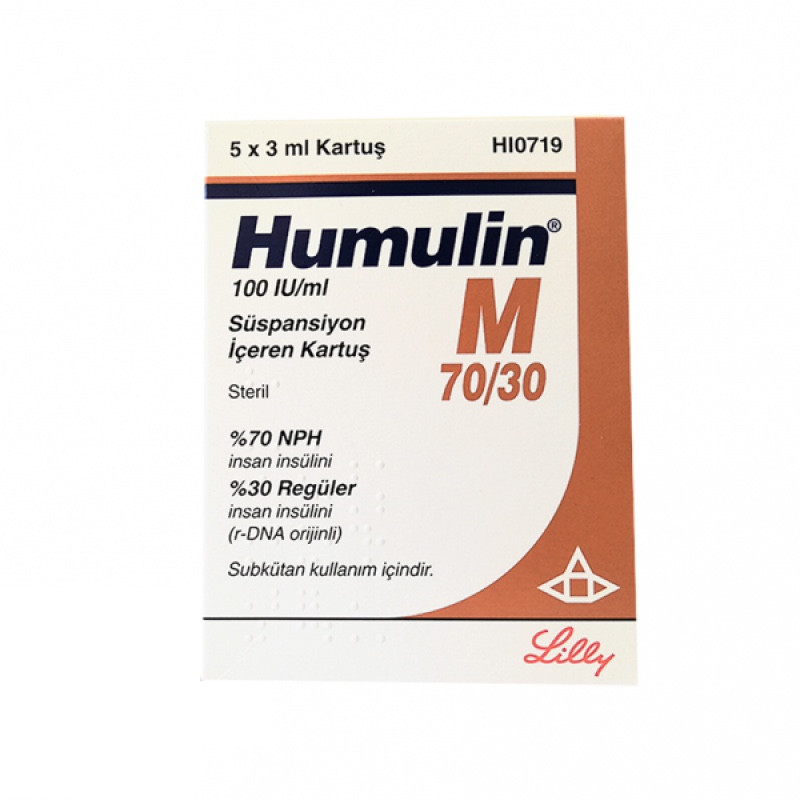
Humulin M 70/30 (Cart)
- Brand: Lilly
- Product Code: Humulin M 70/30 (Cart)
- Availability: In Stock
-
$61.00
PRODUCT CLASSIFICATION
Hormone and Synthetic Substitute / Antidiabetic Agent
ACNE RISK
No
WATER RETENTION
No
HBR
No
HEPATOTOXICITY
No
AROMATIZATION
No
MANUFACTURER
Lilly
WAREHOUSE LOCATION
International Warehouse 2
ACTIVE INGREDIENTS
Insulin, Insulin Isophane
Insulin is a powerful anabolic hormone essential for human health, playing a vital role in maintaining optimal bodily functions. While the body naturally produces insulin, those living with diabetes often require supplemental (exogenous) insulin to manage their condition. Additionally, some athletes turn to insulin to promote muscle growth. However, it?s crucial to note that using insulin without proper medical guidance can pose serious health risks and should be approached with caution.
Originally derived from the pancreases of animals in the 1920s, exogenous insulin has evolved significantly over the decades. The shift from animal-sourced insulin to synthetic versions began in the 1970s, culminating in the FDA-approved release of Humulin-R in 1982, an exact replica of human insulin that marked a new era in diabetes treatment.
Key Functions & Characteristics of Insulin:This peptide hormone, secreted by the pancreas, is primarily responsible for regulating the metabolism of glucose, amino acids, and fatty acids. It plays a critical role in preventing the breakdown of glycogen, fat, and protein in the body.
Diabetes is classified into two primary types: Type I, where the body does not produce enough insulin, and Type II, where insulin is produced but not effectively recognized by cells, often linked to obesity.
As a peptide hormone, insulin facilitates the conversion of glycogen into glucose in the liver while inhibiting glucose production from non-carbohydrate sources. It also enhances glucose uptake in cells, promotes muscle growth, and boosts protein synthesis. Elevated insulin levels have been associated with increased bone density and the heightened production of Insulin-Like Growth Factor-1 (IGF-1), an anabolic hormone.
Beyond its primary functions, insulin can elevate levels of Luteinizing Hormone (LH) and Follicle Stimulating Hormone (FSH), potentially aiding testosterone production, albeit to a minor extent.
Effects of Insulin:For individuals with diabetes, the foremost effect of insulin is the regulation of blood sugar levels. Its anabolic and anti-catabolic properties can also be advantageous for athletes. However, misuse of exogenous insulin can lead to significant fat gain and even fatal consequences.
For athletes, high insulin levels may impede the body?s ability to burn stored fat, necessitating a well-planned diet to ensure that glucose and protein are directed to muscle tissue rather than being stored as fat. Administering insulin post-workout alongside proper nutrition is vital for optimal results.
Insulin can lead to impressive lean muscle gains in a short period, though managing potential fat gain poses a challenge for many. The combination of anabolic steroids with insulin and Human Growth Hormone (HGH) is commonly recommended in performance contexts to maximize growth while aiding in fat management.
Potential Side Effects of Insulin:A significant concern with insulin use is the risk of hypoglycemia, particularly in performance settings. While proper dosing typically mitigates this risk for diabetics, athletes may face severe consequences if insulin is misused.
Hypoglycemia arises when blood glucose levels plummet too low, manifesting symptoms such as dizziness, hunger, sweating, and confusion. In such cases, quick access to fast-acting carbohydrates like candy or sugary drinks is essential. It?s advised not to sleep soon after taking insulin due to the risk of hypoglycemia during sleep, which can be life-threatening if untreated. Having a companion present during insulin use is crucial for assistance if needed.
Severe hypoglycemia can result in diabetic comas and while it can usually be treated, the potential for death makes it a serious concern. Although rare, allergic reactions can occur, leading to swelling or irritation at injection sites, necessitating immediate medical attention. Repeated injections in the same area can cause localized fat accumulation, emphasizing the importance of rotating injection sites.
Insulin Administration:Insulin dosages for diabetes can vary widely based on individual needs. Similarly, several forms of insulin are available for performance enhancement, with short-acting types like Humulin-R, Humalog, and Novolog being more suitable for athletes.
Humalog typically starts working within 15 minutes of injection, peaks between 30-90 minutes, and lasts 3-5 hours. Novolog and Humulin-R have comparable timelines but act slightly slower than Humalog. While Humulin-R can be purchased over the counter, a prescription is required for Humalog.
A common starting dosage for performance enhancement is 1 unit per 10 pounds of body weight, but beginners should start with a lower dose and gradually increase it while monitoring for signs of hypoglycemia.
The optimal time for administration is immediately after weight training, accompanied by a meal containing at least 100 grams of carbohydrates and 40-50 grams of protein. Always have fast-acting carbohydrates readily available to manage potential hypoglycemic symptoms.
Conclusion:Insulin is an essential hormone for health and efficient bodily function. While it can significantly enhance muscle development in a performance context, it also carries considerable risks. Many individuals may find better body composition results without its use. Nonetheless, insulin remains popular in competitive bodybuilding, where athletes often combine it with other steroids and hormones. Prior to using insulin as a performance enhancer, it?s crucial to weigh personal goals against the potential risks involved.