
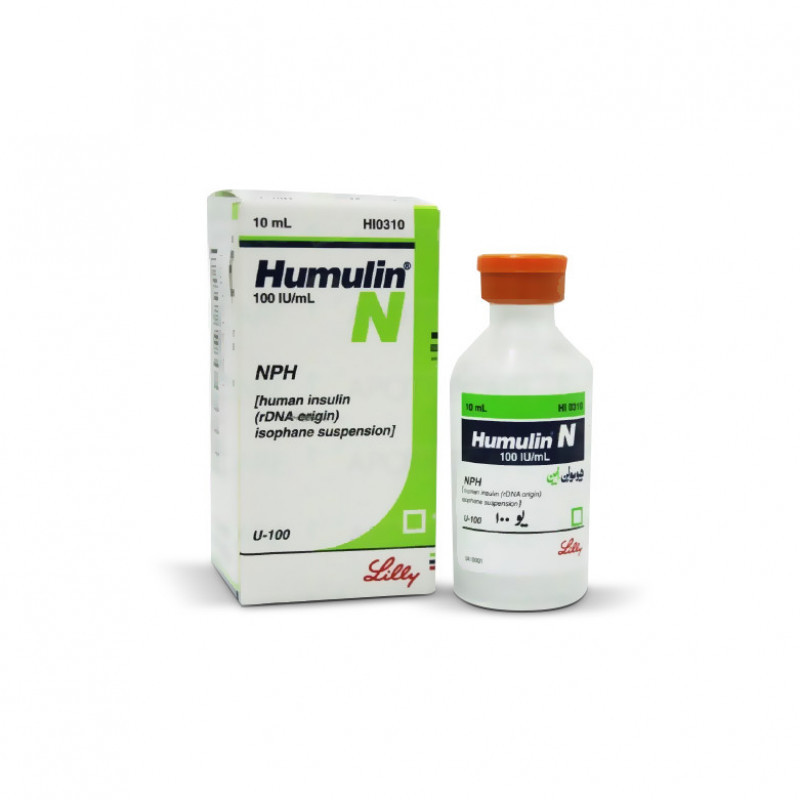
Humulin N 100IU (Vial)
- Brand: Lilly
- Product Code: Humulin N 100IU (Vial)
- Availability: In Stock
-
$62.00
CLASSIFICATION
Hormone and Synthetic Substitute / Antidiabetic Agent
ACNE
No
WATER RETENTION
No
HBR
No
HEPATOTOXICITY
No
AROMATIZATION
No
MANUFACTURER
Lilly
WAREHOUSE
International Warehouse 2
SUBSTANCE
Insulin
Insulin is an essential anabolic hormone naturally produced by the human body, playing a crucial role in maintaining optimal health and efficient bodily functions. For individuals with diabetes, insulin therapy is often necessary, while some athletes may utilize it to enhance lean muscle growth. However, it?s important to note that using insulin without proper medical supervision can pose serious health risks and should always be approached with caution.
Although insulin is naturally synthesized by the body, its exogenous form was first introduced in the 1920s, initially extracted from the pancreases of dogs, followed by cattle and pigs. Concerns regarding purity were prevalent, but the lifesaving potential of exogenous insulin quickly established its value, especially since untreated diabetes can be life-threatening. By the 1970s, advancements in purity led to the introduction of synthetic insulin in 1975 by Ciba, culminating in the FDA-approved Humulin-R in 1982, which is an exact replica of human insulin.
Insulin Functions & TraitsProduced by the pancreas, insulin is classified as a peptide hormone responsible for regulating glucose, amino acids, and fatty acids. It also prevents the breakdown of glycogen, fats, and proteins.
Diabetic patients may require insulin for two primary types of diabetes: Type I, characterized by insufficient insulin production, and Type II, where insulin is produced but not effectively utilized by cells, often associated with obesity.
Insulin promotes the liver's conversion of glycogen into glucose while inhibiting the conversion of non-carbohydrate sources into glucose. Additionally, it aids glucose absorption into cells, fostering muscle growth. Elevated insulin levels can enhance protein synthesis, improve bone density, and increase the production of Insulin-Like Growth Factor-1 (IGF-1), another anabolic hormone similar to insulin.
Moreover, insulin can elevate levels of Luteinizing Hormone (LH) and Follicle Stimulating Hormone (FSH), potentially contributing to increased testosterone production, although this effect is relatively modest.
Effects of InsulinThe primary function of insulin across all diabetes types is to regulate blood sugar levels. Its strong anabolic and anti-catabolic properties may also benefit athletes; however, non-diabetic users should be cautious, as exogenous insulin can lead to significant fat gain and health complications if not properly managed.
Despite these risks, some athletes are drawn to the anabolic advantages of insulin, provided they meticulously manage their body fat levels. High insulin levels can impede fat burning, necessitating disciplined dietary choices to ensure that glucose and protein are stored in muscle tissue rather than fat. For optimal anabolic effects, insulin is best taken immediately after intense weight training, accompanied by food.
Insulin can facilitate rapid gains in lean muscle mass, and with a well-structured regimen, it is possible to control fat accumulation. A combination of anabolic steroids and Human Growth Hormone (HGH) is often recommended in performance contexts to further promote muscle growth and assist in fat management.
Side Effects of InsulinThe most common side effect associated with insulin use is hypoglycemia. For diabetics, this condition can generally be managed through proper dosing; however, it poses a significant risk in performance use. Hypoglycemia, characterized by dangerously low blood glucose levels, can lead to severe consequences if left untreated.
Symptoms of hypoglycemia may include:
- Dizziness
- Hunger
- Drowsiness
- Blurred vision
- Depression
- Sweating
- Heart palpitations
- Tingling sensations in extremities
- Loss of focus
- Headaches
- Lightheadedness
- Anxiety
- Irritability
- Slurred speech
- Changes in personality
- Unsteady movements
In the event of these symptoms, it's crucial to consume fast-acting carbohydrates like candy or sugary drinks immediately. Regardless of symptoms, users should avoid sleeping after administering insulin, as this can lead to a dangerous hypoglycemic state. In severe cases, medical assistance may be necessary, highlighting why insulin should not be administered without professional guidance.
While hypoglycemia can often be corrected easily, it can escalate to serious conditions like diabetic coma, with fatalities reported from improper insulin use in performance settings.
Other potential side effects include allergic reactions, which may manifest as swelling, itching, or irritation at the injection site?though these are rare. Severe allergic responses can include rashes, shortness of breath, rapid heartbeat, wheezing, or drops in blood pressure, necessitating immediate medical attention.
Repeated injections in the same area can lead to localized fat accumulation, making it essential to rotate injection sites.
Insulin AdministrationThe appropriate dosage of insulin for diabetes varies based on individual needs, as there is no one-size-fits-all standard.
For those seeking performance enhancement, several insulin forms are available, including short-acting and long-acting varieties. Fast-acting insulins like Humulin-R, Humalog, and Novolog are commonly favored by athletes.
Humalog takes effect within approximately 15 minutes, peaking at 30 to 90 minutes and lasting for 3 to 5 hours. Novolog and Humulin-R have similar profiles, but Humulin-R is the slowest acting. While Novolog may be difficult for some athletes to access, Humulin-R is readily available over the counter.
A typical performance-enhancing dosage is around 1 IU per 10 pounds of body weight. First-time users should start with a lower dose of 1 IU post-workout, gradually increasing by 1-2 IU per day until an effective dosage is determined. If hypoglycemic symptoms arise that are hard to manage, users should reduce their insulin dosage accordingly.
The optimal time for insulin injection is immediately after weight training, with a minimum of 100g of carbohydrates recommended. Consuming both solid and liquid carbohydrates about 15 minutes post-injection, along with approximately 40?50g of protein, yields the best results.
While the minimum carbohydrate intake is 100g post-injection, some individuals may require more, especially as their doses increase. It?s important to avoid excessive insulin use, starting with lower doses and increasing only as necessary. Always have fast-acting carbohydrates on hand to promptly address any hypoglycemic symptoms. Responsible users ensure they never inject insulin without adequate carbohydrates available. After consuming carbohydrates, individuals should plan to eat another meal shortly thereafter.
Insulin ReviewsInsulin is vital for health and bodily functions. As a performance enhancer, it can substantially support muscle growth, but its use carries inherent risks. Many might struggle with body fat management while using it, and most individuals will find they can achieve better long-term results by avoiding it altogether.
Nonetheless, insulin remains a popular choice among competitive bodybuilders, both amateur and professional, who may combine it with other hormones. Casual gym-goers utilizing performance enhancers often discover that insulin leads to unwanted fat accumulation.
Some athletes in non-physique sports may choose insulin because it is not detectable in drug tests, often using small doses alongside HGH and minimal testosterone or thyroid medications to navigate testing protocols.