
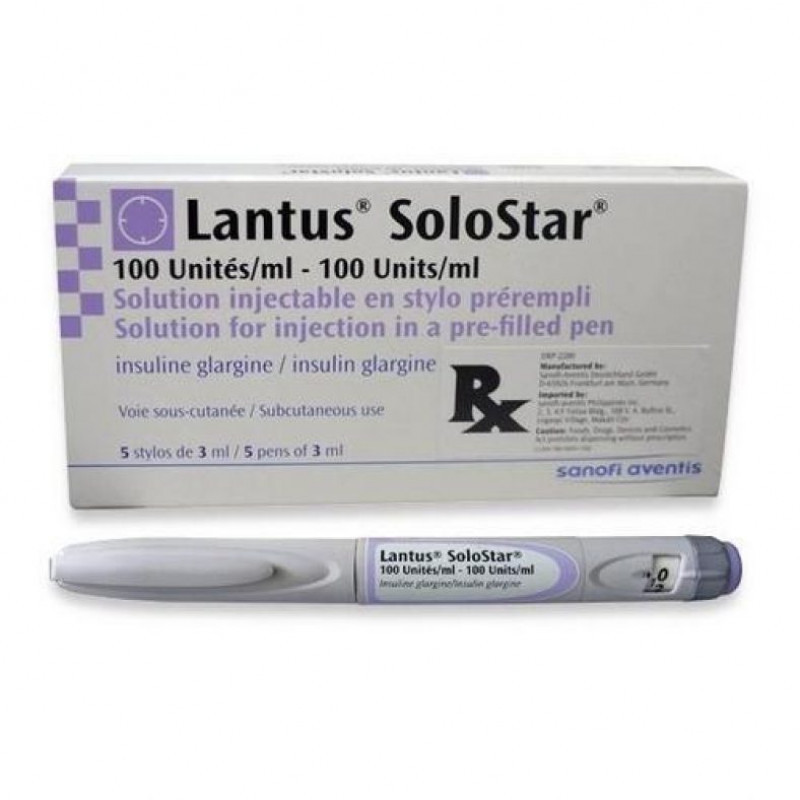
CLASSIFICATION
Hormone and Synthetic Substitute / Antidiabetic Agent
ACNE
No
WATER RETENTION
No
HBR
No
HEPATOTOXICITY
No
AROMATIZATION
No
MANUFACTURER
Sanofi
WAREHOUSE
International Warehouse 2
SUBSTANCE
Insulin Glargine
Insulin is a powerful anabolic hormone that your body naturally produces, playing a vital role in regulating essential bodily functions. While the body generates insulin, individuals diagnosed with diabetes often rely on external sources. Additionally, some athletes utilize it to promote lean muscle growth; however, it's important to exercise extreme caution, as misuse can lead to serious health risks.
Though insulin is naturally synthesized by everyone, exogenous insulin became available in the 1920s, initially extracted from the pancreases of dogs and later from cattle and pigs. Despite early concerns regarding purity, the introduction of external insulin was revolutionary for diabetes management, as untreated diabetes can be life-threatening. By the 1970s, advancements in purification led to the development of synthetic insulin by Ciba in 1975, culminating in the FDA-approved Humulin-R in 1982, which perfectly mimics human insulin.
Functions and Characteristics of Insulin
Insulin, a peptide hormone produced by the pancreas, is essential for the regulation and utilization of glucose, amino acids, and fatty acids while inhibiting the metabolic breakdown of carbohydrates, fats, and proteins.
There are two primary categories of diabetes requiring insulin: Type I, where the body produces inadequate insulin, and Type II, where insulin is produced but not used effectively, often due to obesity.
As a beneficial hormone, insulin positively influences liver function by facilitating the conversion of glycogen to glucose while preventing non-carbohydrate sources from being converted to glucose. It promotes cellular glucose uptake, which can aid in muscle growth. Elevated insulin levels are associated with increased protein synthesis, enhanced bone density, and a rise in Insulin-Like Growth Factor-1 (IGF-1), another anabolic hormone similar in structure to insulin.
Moreover, insulin can elevate levels of Luteinizing Hormone (LH) and Follicle Stimulating Hormone (FSH), potentially contributing to modest increases in testosterone production.
Effects of Insulin
The primary function of insulin across all diabetes types is the regulation of blood sugar levels. Due to its strong anabolic and anti-catabolic properties, insulin can be advantageous for various athletes. However, off-label use by non-diabetics can lead to significant fat gain and even life-threatening situations when not managed properly.
Despite the risks, some athletes view the anabolic benefits of insulin as worth the potential drawbacks, provided they can manage body fat effectively. High insulin levels can impede the body?s ability to burn stored fat, making a well-planned diet essential to ensure nutrients are directed toward muscle rather than fat reserves. The optimal timing for insulin use is immediately following intense weight training, ideally alongside food intake.
With careful application, insulin can facilitate rapid increases in lean muscle mass, although managing body fat can be challenging. It is typically advised to combine insulin with anabolic steroids and Human Growth Hormone (HGH) in competitive environments to maximize muscle growth and optimize fat management.
Side Effects of Insulin
Insulin use may lead to a variety of side effects, primarily hypoglycemia. While this condition is generally manageable for diabetic patients with appropriate dosing, it poses significant risks in athletic contexts. Hypoglycemia, characterized by dangerously low blood sugar levels, can have severe consequences, including potential death.
Common symptoms of hypoglycemia include:
- Dizziness
- Hunger
- Drowsiness
- Blurred vision
- Depression
- Sweating
- Heart palpitations
- Tingling sensations
- Loss of focus
- Headaches
- Lightheadedness
- Anxiety
- Irritability
- Slurred speech
- Changes in personality
- Unsteady movement
If hypoglycemic symptoms occur, it's crucial to consume fast-acting carbohydrates immediately, such as candy or sugary beverages. It's also advisable to avoid sleeping after insulin administration due to the risk of falling into a hypoglycemic state, which can be life-threatening. Severe hypoglycemia requires urgent medical assistance, and having a support person during insulin administration is essential for safety.
While hypoglycemia can often be corrected, it carries the risk of progressing to a diabetic coma or, in extreme cases, death. Rarely, users may also experience allergic reactions or localized fat accumulation at injection sites from repeated injections.
Insulin Administration
For effective diabetes management, insulin dosages vary widely based on individual needs. In performance contexts, various forms of insulin are available, with common recommendations suggesting an initial dose of 1 IU per 10 pounds of body weight. First-time users should begin with a lower dose, such as 1 IU post-workout, gradually increasing until they find an appropriate dosage.
Insulin should always be administered immediately after weight training, followed by carbohydrate and protein intake to prevent hypoglycemia. Typically, a minimum of 100 grams of carbohydrates is recommended.
Athletes considering insulin should have fast-acting carbohydrates readily available during administration and are encouraged to eat an additional meal shortly after the initial post-injection meal.
Insulin Summary
Insulin is vital for health and optimal bodily function. For athletes, it can significantly enhance muscle-building efforts; however, its use carries inherent risks. Many may find they can achieve their physique goals without resorting to insulin. While it is commonly used in competitive bodybuilding, caution is advised, especially for those who may struggle with body fat management. Additionally, some athletes may misuse insulin in conjunction with other hormones to evade drug tests, often at lower doses.