
ACTIVE HALF-LIFE:
2 days
CLASSIFICATION:
Non-steroidal Aromatase Inhibitor
DOSAGE:
0.5 - 2.5 mg/day
ACNE:
No
WATER RETENTION:
No
HBR:
No
HEPATOTOXICITY:
No
AROMATIZATION:
No
MANUFACTURER:
Euro-Pharmacies - US
LAB TEST:
See Document
WAREHOUSE:
USA Warehouse 3
SUBSTANCE:
Letrozole
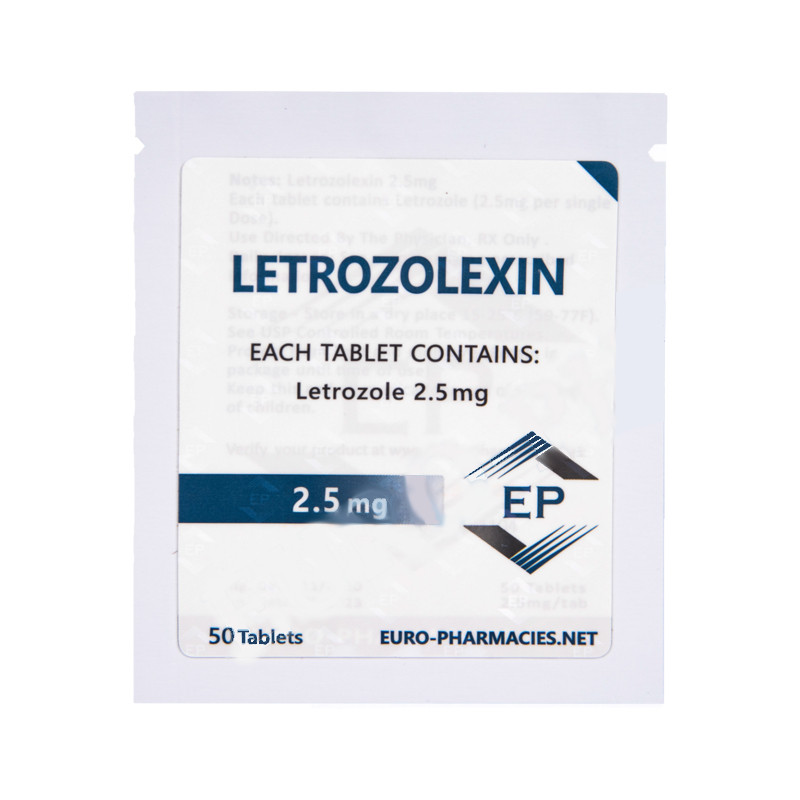
Letrozolexin is a powerful non-steroidal agent designed to inhibit estrogen synthesis, showcasing remarkable antineoplastic properties. As a third-generation aromatase inhibitor, Letrozolexin effectively and reversibly blocks the aromatase enzyme, a key player in the growth of estrogen-dependent breast cancer cells.
Aromatase is a cytochrome P-450 enzyme present in various tissues such as the premenopausal ovary, liver, and breast, and is primarily located in the endoplasmic reticulum. It catalyzes the critical conversion of androstenedione and testosterone to estrone and estradiol, marking the final step in the production of estrogen.
By competitively and reversibly binding to the heme group of the cytochrome P450 unit, Letrozolexin disrupts the aromatization process, significantly reducing estrogen levels while preserving the synthesis of mineralocorticoids and corticosteroids. Unlike tamoxifen, which binds directly to estrogen receptors, Letrozolexin inhibits estrogen production at its source.
Approved by the United States Food and Drug Administration (FDA) for the treatment of local or metastatic hormone receptor-positive breast cancer, as well as cancer with unknown receptor status in postmenopausal women, Letrozolexin may come with side effects related to low estrogen levels. Long-term use raises concerns about osteoporosis; therefore, it is often prescribed alongside medications like Fosamax to counteract this risk.
Research has shown that Letrozolexin can lower estrogen levels by up to an impressive 98% while simultaneously boosting testosterone levels. Its anti-estrogen properties make it a popular choice among athletes and bodybuilders during steroid cycles to alleviate water retention and prevent gynecomastia, a common side effect of certain anabolic steroids. However, dosages above 2.5 mg per day may temporarily affect libido, and prolonged use beyond 5 mg per day could lead to kidney complications.
Furthermore, Letrozolexin has been observed to delay the fusion of growth plates in adolescents, presenting a potential advantage for enhancing growth hormone efficacy, marking it as a viable treatment option for children and adolescents facing short stature.