
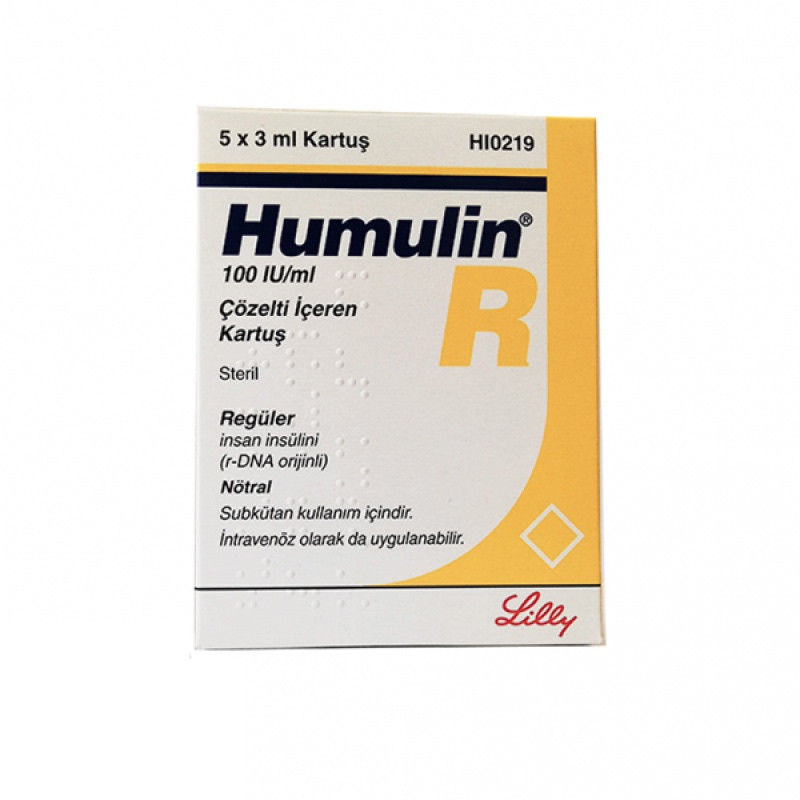
Humulin R 100IU (Cart)
- Brand: Lilly
- Product Code: Humulin R 100IU (Cart)
- Availability: In Stock
-
$62.00
CLASSIFICATION
Hormone and Synthetic Substitute / Antidiabetic Agent
ACNE
No
WATER RETENTION
No
HBR
No
HEPATOTOXICITY
No
AROMATIZATION
No
MANUFACTURER
Lilly
WAREHOUSE
International Warehouse 2
SUBSTANCE
Insulin
Discover the power of insulin, a potent anabolic hormone vital for human health and metabolic balance. Produced naturally by the pancreas, insulin is essential for regulating blood sugar levels. For those with diabetes, obtaining external (exogenous) insulin is crucial for maintaining stability. Additionally, some athletes utilize insulin to enhance lean muscle development. However, it?s important to approach off-label use with caution due to potential risks.
Exogenous insulin made its debut in the 1920s, initially derived from the pancreases of dogs, and later from cattle and pigs. Despite early concerns about purity, this life-saving hormone quickly became indispensable for diabetic patients. By the 1970s, advancements in production led to the introduction of synthetic insulin by Ciba in 1975, with Humulin-R following in 1982. This form is identical to human insulin and has received FDA approval.
Insulin Functions & Characteristics:
As a peptide hormone secreted by the pancreas, insulin plays a critical role in managing glucose, amino acids, and fatty acids. It prevents the breakdown of glycogen, fat, and protein, making it essential for individuals with both Type 1 and Type 2 diabetes. Type 1 patients cannot produce enough insulin, whereas Type 2 patients may produce insulin but struggle to utilize it effectively, often due to obesity.
Insulin aids the liver in converting glycogen into glucose and limits the conversion of non-carbohydrates into glucose. This hormone also promotes glucose transport into cells, supporting muscle growth. Elevated insulin levels can enhance protein synthesis, improve bone density, and boost Insulin-Like Growth Factor-1 (IGF-1), an anabolic hormone similar to insulin.
Beyond its metabolic influence, insulin may increase Luteinizing Hormone (LH) and Follicle Stimulating Hormone (FSH), potentially raising testosterone levels in the body, albeit modestly.
Effects of Insulin:
The primary role of insulin, regardless of diabetes type, is to regulate blood sugar levels. Its strong anabolic and anti-catabolic properties can be advantageous for athletes seeking muscle growth. However, non-diabetic users risk significant fat gain and other serious health consequences if not managed properly. To maximize insulin's benefits while minimizing fat gain, athletes should consider timing their doses immediately after intense workouts, coupled with appropriate nutritional intake.
With correct usage, insulin can accelerate lean muscle mass development. While managing fat gain presents challenges, it's certainly achievable with deliberate planning. Many athletes combine insulin with anabolic steroids and Human Growth Hormone (HGH) to enhance muscle growth and fat control.
Side Effects of Insulin:
The most significant risk associated with insulin use is hypoglycemia, particularly in performance settings. While diabetic patients typically manage dosages safely, athletes may experience heightened risks. Hypoglycemia occurs when blood sugar drops too low, leading to symptoms such as dizziness, hunger, fatigue, and blurred vision?all of which can escalate to severe consequences, including death, if not addressed.
In case of hypoglycemic symptoms, immediate consumption of fast-acting carbohydrates?like candy or sugary drinks?is crucial. It?s vital for users to avoid sleeping after insulin administration due to the risk of severe overnight hypoglycemia. In cases of acute symptoms, seek urgent medical assistance, emphasizing the need for a support system during insulin use.
Serious hypoglycemia can result in diabetic coma, and fatalities linked to improper insulin use in performance contexts highlight the importance of caution. Other potential side effects include mild allergic reactions at injection sites, although rarer serious reactions require medical attention. To avoid increased fat storage, rotating injection sites is recommended.
Insulin Administration:
Insulin dosages for diabetes management vary greatly based on individual needs, with no one-size-fits-all approach. Athletes often prefer fast-acting insulins such as Humulin-R, Humalog, and Novolog. Humalog is particularly quick-acting, displaying effects within 15 minutes, peaking at 30-90 minutes, and lasting about 3-5 hours. Humulin-R is available over the counter, making it accessible for athletes, while Humalog requires a prescription.
For performance enhancement, a typical starting dosage is 1 unit of insulin per 10 pounds of body weight; however, beginners should start with lower amounts?around 1 unit post-training?and gradually increase as tolerated. Signs of hypoglycemia may indicate an excessive dosage.
The ideal timing for insulin administration is immediately after weight training, accompanied by 100 grams of carbohydrates and 40-50 grams of protein. Always keep fast-acting carbohydrates on hand to counteract hypoglycemic reactions, with a follow-up meal planned shortly after.
Insulin in Review:
Insulin is a cornerstone of health and metabolic function. As a performance-enhancing tool, it can significantly contribute to muscle building, but the risks cannot be ignored. Many individuals may find their fitness goals achievable without insulin and may opt to avoid it altogether despite its appeal in competitive bodybuilding. Additionally, some athletes exploit insulin?s undetectability in drug tests, using it alongside HGH and low doses of testosterone or thyroid medications to navigate testing challenges.