
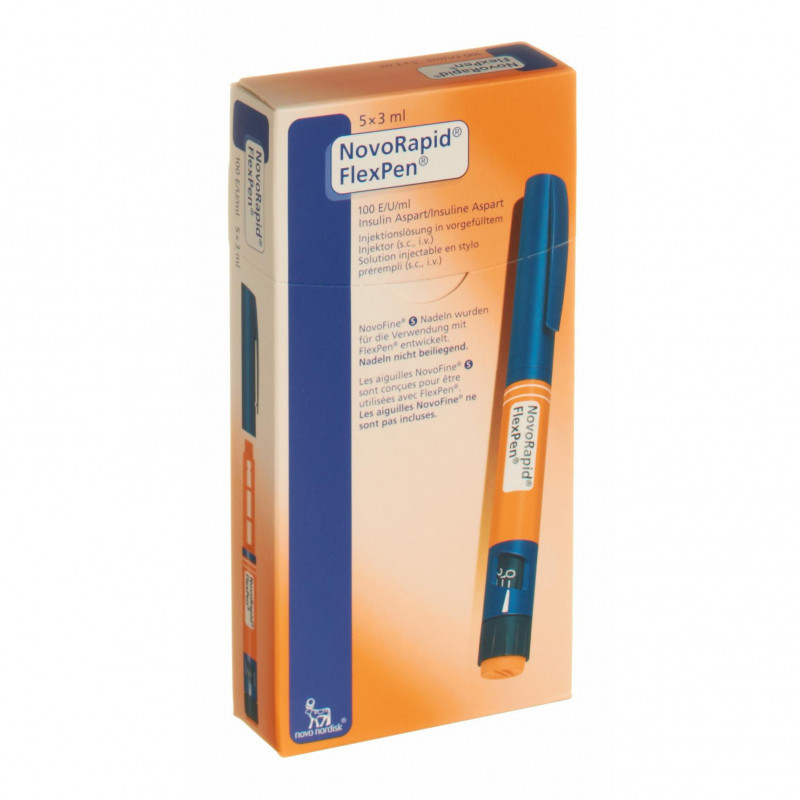
Novorapid Flexpen
- Brand: Novo Nordisk
- Product Code: Novorapid Flexpen
- Availability: In Stock
-
$104.00
CLASSIFICATION
Hormone and Synthetic Substitute / Antidiabetic Agent
ACNE
No
WATER RETENTION
No
HBR
No
HEPATOTOXICITY
No
AROMATIZATION
No
MANUFACTURER
Novo Nordisk
WAREHOUSE
International Warehouse 2
SUBSTANCE
Insulin
Insulin Overview
Insulin is a powerful anabolic hormone essential for optimal body function, naturally produced by all humans. However, individuals with diabetes often require external insulin to maintain health. Additionally, some athletes utilize insulin to enhance lean muscle mass; caution is advised due to the serious health risks tied to off-label use.
First introduced in the 1920s from the pancreases of animals, insulin's life-saving potential for diabetics was recognized despite initial concerns about purity. As the 1970s approached, synthetic insulin emerged, addressing those purity issues, with the FDA approving Humulin-R in 1982, a synthetic form identical to human insulin.
Insulin Functions and Characteristics
Produced by the pancreas, insulin is a peptide hormone that plays a critical role in regulating glucose, amino acids, and fatty acids, while also preventing the breakdown of glycogen, fat, and protein.
Insulin is vital for individuals with diabetes, particularly in two types: Type I, where insulin production is insufficient, and Type II, where insulin is produced but not effectively utilized, often due to obesity-related cellular resistance.
Insulin aids the liver in converting glycogen to glucose and inhibits the formation of non-carbohydrates into glucose, allowing glucose to enter cells and support muscle growth. Elevated insulin levels are linked to enhanced protein synthesis and bone density, as well as increased production of Insulin-Like Growth Factor-1 (IGF-1), another anabolic hormone.
Moreover, insulin may stimulate the release of Luteinizing Hormone (LH) and Follicle Stimulating Hormone (FSH), potentially increasing testosterone production, though this effect is modest.
Effects of Insulin
Regulating blood sugar levels is insulin's primary function, crucial for all diabetes types. Its significant anabolic and anti-catabolic properties are attractive to athletes; however, misuse can lead to rapid fat gain and severe health risks, including death.
Athletes often appreciate insulin's muscle-building effects, but careful management of body fat is essential. Elevated insulin levels can hinder fat burning; thus, a strict, well-planned diet is necessary to maximize its anabolic benefits. It?s recommended for athletes to administer insulin immediately after intense workouts, accompanied by food intake, as detailed in the administration section.
Insulin can lead to significant increases in lean muscle mass quickly, though managing body fat gains requires diligence. Combining insulin with anabolic steroids and Human Growth Hormone (HGH) is often suggested for improved performance, aiding in body fat regulation.
Potential Side Effects of Insulin
The primary concern with insulin use is hypoglycemia, particularly in performance contexts. While individuals with diabetes may manage their dosing effectively, others face heightened risks. Hypoglycemia, characterized by dangerously low blood sugar levels, can trigger symptoms ranging from dizziness and hunger to severe complications, including death.
Common symptoms of hypoglycemia include:
- Dizziness
- Hunger
- Drowsiness
- Blurred vision
- Depression
- Sweating
- Heart palpitations
- Tingling sensations
- Loss of focus
- Headaches
- Lightheadedness
- Anxiety
- Irritability
- Slurred speech
- Unsteady movements
Immediate consumption of fast-acting carbohydrates, such as candy or sugary beverages, is vital if symptoms arise. It?s crucial to avoid sleeping after insulin administration to prevent severe hypoglycemia during sleep. In extreme cases of hypoglycemia, seek medical help immediately. Always have someone nearby when using insulin for safety.
Severe hypoglycemia can lead to diabetic coma, a critical condition with potential fatality. Although insulin-related deaths in athletics have been reported, milder side effects include rare allergic reactions at injection sites. Additionally, repeated injections in the same area may lead to localized fat deposits; rotating injection sites is recommended.
Insulin Administration
Dosing varies widely based on individual requirements, with no universal standard for diabetes management.
For performance enhancement, various insulin types are available, including short and long-acting options, impacting the overall dosing strategy. A common performance dose is roughly 1 unit of insulin per 10 pounds of body weight, but beginners should start lower, frequently beginning with 1 unit post-weight training and gradually increasing to find their optimal dose.
If hypoglycemic symptoms occur, it may indicate an excessively high dosage. Most men do not need high doses, contrary to popular belief. After identifying the proper dose, insulin should be taken immediately after training, with a minimum of 100 grams of carbohydrates and about 40-50 grams of protein consumed shortly thereafter.
In case of hypoglycemia, keeping fast-acting carbohydrates on hand is crucial. Consuming these can alleviate symptoms, though the amount required may vary considerably. After the post-injection meal, plan for additional intake soon thereafter.
Conclusion on Insulin Use
Insulin is a vital hormone for health and bodily functions. While it can greatly assist athletes in muscle gain, its use carries significant risks. Many individuals may find they don't need insulin to achieve performance goals and can see better long-term results without it. Nonetheless, insulin remains popular in competitive bodybuilding, often paired with other hormones. However, those not genetically predisposed or who engage in high-performance insulin use may struggle with body fat control. Additionally, since insulin is not detectable in drug tests, some athletes use it alongside HGH and other substances for a competitive edge.