
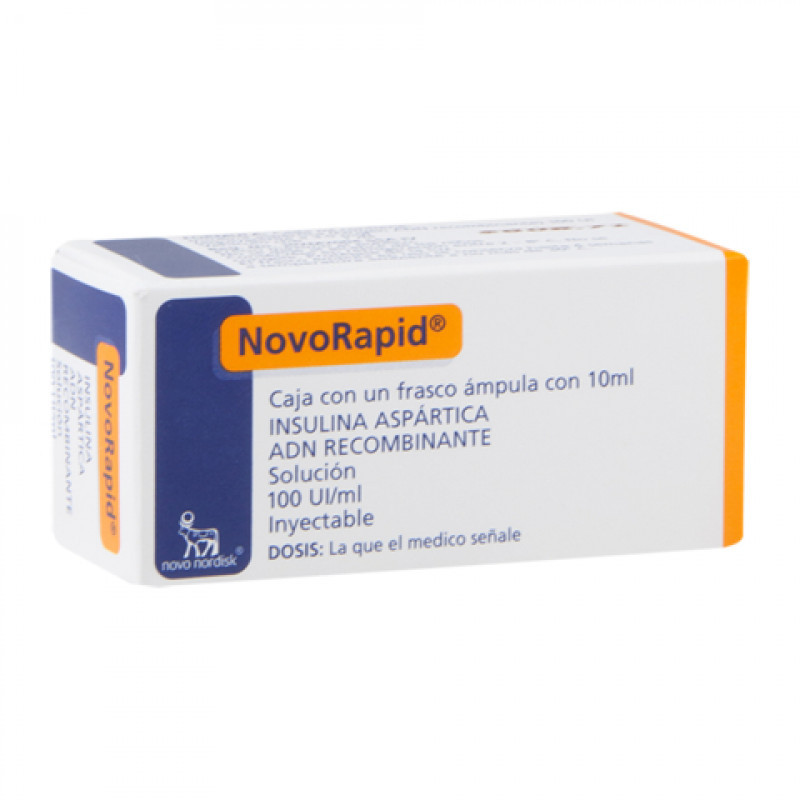
Novorapid 100IU (Vial)
- Brand: Novo Nordisk
- Product Code: Novorapid 100IU (Vial)
- Availability: In Stock
-
$56.00
PRODUCT CLASSIFICATION
Hormone and Synthetic Substitute / Antidiabetic Agent
ACNE
None
WATER RETENTION
None
HBR
None
HEPATOTOXICITY
None
AROMATIZATION
None
MANUFACTURER
Novo Nordisk
WAREHOUSE
International Warehouse 2
ACTIVE SUBSTANCE
Insulin
Understanding Insulin
Insulin is an essential anabolic hormone produced in the human body, playing a pivotal role in regulating physiological processes. It's vital for individuals with diabetes who may need supplemental insulin to manage their condition. Some athletes utilize it to enhance muscle growth; however, it is critical to approach its use with caution due to potential health risks.
Although insulin occurs naturally, its exogenous form was first introduced in the 1920s, originally extracted from animal pancreases. This lifesaving treatment gained prominence for managing diabetes, leading to the development of synthetic insulin by the 1970s. The first FDA-approved synthetic version, Humulin-R, was launched in 1982, marking a significant milestone in diabetes care.
Insulin's Role and Mechanism
Produced by the pancreas, insulin is a peptide hormone crucial for glucose, amino acid, and fatty acid management. It prevents the breakdown of glycogen, fats, and proteins, essential for those with diabetes. There are two primary types of diabetes requiring insulin treatment: Type I, often hereditary and characterized by insufficient insulin production, and Type II, frequently linked to obesity, where the body struggles to utilize insulin effectively.
Insulin positively influences the liver by promoting glycogen conversion into glucose while inhibiting glucose production from non-carbohydrates. It enhances glucose transport into cells, fostering muscle growth. Higher insulin levels can boost protein synthesis, bone density, and the production of Insulin-Like Growth Factor-1 (IGF-1), a powerful anabolic hormone.
Additionally, insulin can mildly elevate Luteinizing Hormone (LH) and Follicle Stimulating Hormone (FSH) levels, contributing to testosterone production.
The Effects of Insulin
The primary function of insulin is to regulate blood glucose levels, a critical necessity for individuals with diabetes. Its anabolic and anti-catabolic properties can also benefit athletes; however, improper use can lead to significant fat gain and serious health risks if not managed appropriately.
While some athletes leverage insulin for its muscle-building effects, it's crucial to monitor body fat levels, as elevated insulin can impede fat burning. A strict dietary regimen is essential to ensure that glucose and protein are stored in muscle rather than fat. Administering insulin post-intense workouts, accompanied by carbohydrates, is often the best practice, which will be elaborated on in the administration section.
When used correctly, insulin can facilitate rapid muscle growth, but managing fat gain is essential for effective results. In performance settings, combining insulin with anabolic steroids and Human Growth Hormone (HGH) is frequently recommended to optimize growth while aiding body fat control.
Potential Side Effects of Insulin
The most significant risk associated with insulin use is hypoglycemia, particularly in performance situations where dosing inaccuracies can be dangerous. While diabetics usually manage dosing effectively, hypoglycemia poses a risk for others, occurring when blood sugar levels drop too low, which can have severe consequences.
Symptoms of hypoglycemia may include:
- Dizziness
- Hunger
- Drowsiness
- Blurred Vision
- Depression
- Sweating
- Heart Palpitations
- Tingling Sensations
- Loss of Focus
- Headaches
- Lightheadedness
- Anxiety
- Irritability
- Slurred Speech
- Personality Changes
- Unsteady Movements
If symptoms occur, consuming fast-acting carbohydrates like candy or sugary beverages can help alleviate the effects. It's crucial to avoid sleeping after taking insulin, as drowsiness may indicate a need for more carbohydrates. If severe hypoglycemia happens, seek immediate medical assistance. Always administer insulin with a companion for safety.
Severe hypoglycemia can lead to a diabetic coma or death, emphasizing the seriousness of this condition. Additionally, insulin may cause rare allergic reactions at the injection site, such as swelling or redness, and in serious cases, rashes or breathing difficulties may occur, necessitating urgent medical attention. To prevent localized fat storage, vary injection sites regularly.
Insulin Administration Guidelines
When managing diabetes (Type I or II), insulin dosages should be tailored to individual needs, as there are no standard guidelines. For performance enhancement, understanding the different insulin types and their durations is crucial. A common starting dosage for performance enhancement is about 1 unit per 10 pounds of body weight, with first-time users advised to begin with a lower amount, around 1 unit post-workout, gradually increasing as needed. Hypoglycemic symptoms may indicate an overly high insulin dose.
The optimal time for insulin administration is immediately after weight training, accompanied by at least 100 grams of carbohydrates and 40-50 grams of protein approximately 15 minutes post-injection. While 100 grams of carbohydrates is the baseline, individual needs may vary, especially with higher doses. Caution is advised to avoid excessive insulin use; starting low and adjusting gradually is key. Keep fast-acting carbohydrates on hand to address any hypoglycemic symptoms quickly, and plan for another meal soon after the initial post-injection nutrition.
Final Thoughts on Insulin Use
Insulin is a vital hormone for overall health and functionality. While it can be a powerful tool for muscle building in performance contexts, its use carries inherent risks. Many individuals may find satisfaction in their physique without resorting to insulin, despite its popularity in advanced bodybuilding circles. It's essential to recognize that those using insulin often possess natural advantages and frequently combine it with other performance-enhancing substances. Regular gym-goers using insulin might encounter challenges in managing body fat levels.
Additionally, athletes outside the bodybuilding community may also be attracted to insulin for its undetectable nature in drug tests, often utilizing lower doses combined with HGH and small amounts of testosterone and thyroid medications to navigate testing risks.