
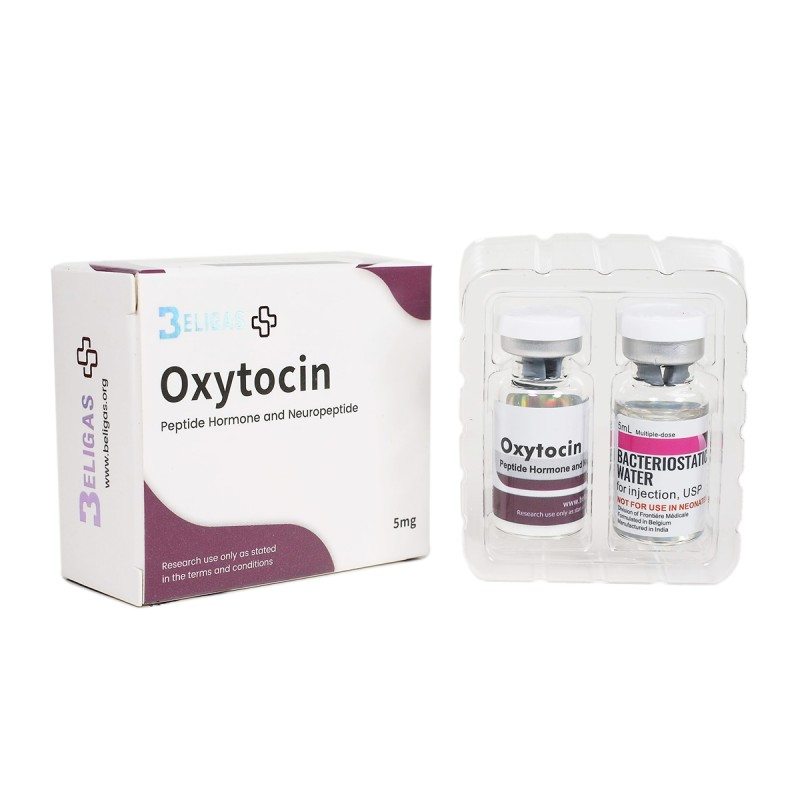
ACNE: No
WATER RETENTION: No
HBR: No
HEPATOTOXICITY: No
AROMATIZATION: No
MANUFACTURER: Beligas
WAREHOUSE: International Warehouse 3
SUBSTANCE: Oxytocin
Oxytocin, often heralded as the "cuddle hormone" or "love hormone," is a vital hormone synthesized by the posterior lobe of the pituitary gland, located at the brain's base. This fascinating hormone plays a significant role in social bonding and affectionate interactions, such as cuddling. A 2009 study in the journal Hormones and Behavior even revealed that engaging with pets, like playing with a dog, can trigger oxytocin release. However, it's essential to recognize that the effects of oxytocin aren't exclusively positive.
Interestingly, oxytocin can intensify negative memories tied to bonding experiences, particularly in individuals with challenging maternal relationships. This means that the feelings oxytocin evokes?whether warmth and affection or suspicion?can vary depending on the context.
Oxytocin's Impact on Women
In women, oxytocin is particularly crucial. "Oxytocin is a peptide produced in the brain that was initially recognized for its function during childbirth and lactation," shares Larry Young, a behavioral neuroscientist at Emory University. This hormone is responsible for stimulating uterine contractions during labor and facilitating milk release during breastfeeding. The bond between mother and child is also significantly influenced by oxytocin, as research indicates that female rats become more receptive to their pups following childbirth, a behavior mirrored in humans.
A 2007 study published in Psychological Science highlighted that increased oxytocin levels in pregnant women during their first trimester were linked to stronger bonding behaviors, such as singing to or bathing their newborns. While maternal bonding may not be entirely instinctual?since women can adopt children?oxytocin released during pregnancy enhances the motivation and connection to the baby, as noted by Young. Furthermore, interactions with infants can elevate their own oxytocin levels, creating a rewarding cycle of bonding.
Oxytocin's Role in Men
Men also experience oxytocin's bonding effects. A 2012 study found that fathers receiving oxytocin via nasal spray engaged more actively with their 5-month-old babies than those without the hormone boost. It's important to note that vasopressin, another hormone, plays a more dominant role in male bonding.
The sometimes complex implications of oxytocin reveal a more nuanced understanding of its role. In one study, Dutch participants receiving oxytocin reported more positive feelings toward fictional Dutch characters, while expressing negative attitudes toward characters with Arab or German names. This suggests that oxytocin's bonding effects might be selective, favoring in-group connections, as reported in a January 2011 study in PNAS.
Additionally, a 2010 PNAS study found that men given oxytocin who reflected on their mothers described them as more caring if they had secure relationships; conversely, those with troubled relationships viewed their mothers less favorably. This indicates that oxytocin may amplify the significance of social memories, reinforcing both positive and negative associations.
"Oxytocin heightens the significance of social information," Young explains. "It connects brain areas processing social stimuli?like sights, sounds, and smells?to the brain's reward system."
Oxytocin Sprays and Their Effects
Oxytocin nasal sprays have been investigated as a potential therapy for autism, a condition marked by social interaction challenges. A small 2013 PNAS study administered oxytocin to children and teens with autism, examining their ability to recognize emotions from eye images. While there were no improvements in emotion recognition post-treatment, the brain regions associated with social interactions exhibited heightened activity, suggesting oxytocin might enhance behavioral therapy effectiveness for autistic children.
"When considering using oxytocin for conditions like autism, ensuring a positive social context is crucial," cautions Young.
However, the use of oxytocin sprays outside clinical settings remains ambiguous. Many online products marketed for stress relief and enhanced social interactions lack FDA regulation, raising concerns about their effectiveness, potential side effects, and ingredient accuracy.
Currently, there are no long-term studies on the side effects of legitimate oxytocin sprays used in research; most studies focus on single dosages. It?s worth noting that Pitocin, a synthetic version of oxytocin used intravenously to induce labor, can cause side effects like nausea, vomiting, and abdominal pain.