
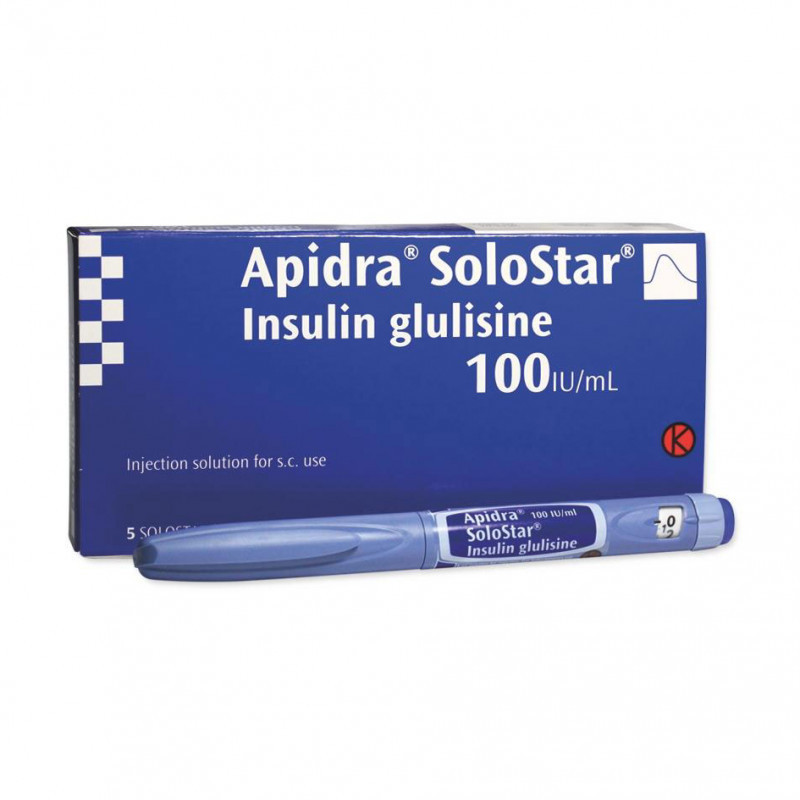
CLASSIFICATION
Hormone and Synthetic Substitute / Antidiabetic Agent
ACNE
No
WATER RETENTION
No
HBR
No
HEPATOTOXICITY
No
AROMATIZATION
No
MANUFACTURER
Sanofi
WAREHOUSE
International Warehouse 2
SUBSTANCE
Insulin Glulisine
Insulin is a powerful anabolic hormone that is crucial for the overall health of every individual. While our bodies naturally produce insulin, people with diabetes often require supplementary insulin to maintain optimal health. Some athletes also utilize it to encourage lean muscle growth; however, caution is essential due to the serious risks of misuse.
Insulin has been a part of human biology for centuries, but exogenous insulin became available in the 1920s. Initially derived from the pancreases of dogs, and later from cattle and pigs, early formulations raised concerns about purity. Nevertheless, the life-saving potential of exogenous insulin for diabetes patients was recognized, and by the 1970s, advancements in purification led to the introduction of synthetic insulin, with Humulin-R, an identical synthetic version of human insulin, receiving FDA approval in 1982.
Insulin Functions & Characteristics:This peptide hormone, produced by the pancreas, is vital for regulating glucose, amino acids, and fatty acids in the body. Insulin prevents the breakdown of glycogen, fats, and proteins, playing a key role in metabolism.
Diabetes manifests in two primary forms: Type I, where the body cannot produce enough insulin, and Type II, where insulin production is adequate but utilization is impaired, often linked to obesity.
As a peptide hormone, insulin prompts the liver to convert glycogen into glucose while inhibiting the conversion of non-carbohydrate sources into glucose. It also facilitates glucose absorption into cells, which is essential for muscle growth. Elevated insulin levels are associated with increased protein synthesis, improved bone density, and the production of Insulin-Like Growth Factor-1 (IGF), another potent anabolic hormone.
Additionally, insulin can enhance levels of Luteinizing Hormone (LH) and Follicle Stimulating Hormone (FSH), which may contribute to increased testosterone production, although the effects are relatively modest.
Effects of Insulin:For individuals with diabetes, insulin primarily serves to regulate blood sugar levels. Its strong anabolic and anti-catabolic properties can also benefit athletes. However, using insulin without medical supervision poses risks, including significant fat accumulation and potentially life-threatening consequences.
Despite these risks, some athletes opt for insulin due to its muscle-building benefits, though managing body fat becomes crucial. High insulin levels can impede fat burning, necessitating a carefully monitored diet to ensure nutrients are directed towards muscle rather than fat storage. Athletes often time insulin administration immediately post-intense workouts, coupled with carbohydrate intake for maximum effectiveness.
With the right approach, insulin can facilitate impressive gains in lean muscle mass in a short timeframe. While controlling body fat can be challenging, it is achievable with proper management. Combining insulin with anabolic steroids and Human Growth Hormone (HGH) is commonly recommended for enhanced performance and body fat control.
Side Effects of Insulin:Insulin use does come with potential side effects, particularly the risk of hypoglycemia, which can be dangerous in both diabetic and athletic contexts. For diabetes patients, hypoglycemia is manageable with appropriate dosing, but athletes using insulin for performance enhancement may face heightened risks. Hypoglycemia symptoms can include dizziness, hunger, drowsiness, blurred vision, and in severe cases, loss of consciousness.
If hypoglycemic symptoms occur, quick intake of fast-acting carbohydrates?such as candy, sugary drinks, or juice?is essential. Additionally, individuals should avoid lying down immediately after taking insulin to prevent severe hypoglycemic events during sleep, which can be fatal. It?s recommended to never administer insulin alone and to have someone present for safety.
Severe hypoglycemia can occasionally lead to diabetic coma or death, emphasizing the importance of awareness and caution. Other possible side effects include allergic reactions at injection sites and localized fat deposits, which highlight the necessity of rotating injection sites to prevent excessive fat accumulation.
Insulin Administration:The required insulin dosage varies significantly among individuals, as there is no one-size-fits-all approach due to differing patient needs. In performance enhancement scenarios, the type of insulin selected will determine the administration strategy.
A common performance-enhancing dose is approximately 1 unit of insulin per 10 pounds of body weight. Beginners should start with lower doses, gradually increasing to find their optimal range. Symptoms of hypoglycemia may indicate that the dosage is too high, and many may not tolerate the full estimated dosage.
The ideal time for insulin administration is immediately post-weight training, followed by a significant intake of carbohydrates?at least 100g?within 15 minutes, along with 40-50g of protein.
It?s crucial to have fast-acting carbohydrates on hand in case hypoglycemic symptoms develop, and one should always avoid injecting insulin without these supplies readily available. After the initial post-injection meal, planning for another meal shortly thereafter is advisable.
Insulin Reviews:Insulin is critical for maintaining health and bodily functions. While it can significantly enhance muscle growth, the associated risks?such as challenges in controlling body fat and potential life-threatening situations?often overshadow its benefits. Many individuals pursuing performance enhancements may find they do not need insulin, ultimately benefiting from avoiding it in the long run. However, its popularity remains among certain competitive bodybuilders and athletes, particularly those using other performance-enhancing substances. It's worth noting that average users may struggle with fat gain while using exogenous insulin. Furthermore, insulin's undetectable nature in drug testing can make it appealing to some athletes, who may combine it with low doses of HGH and other medications to evade detection.