
PRODUCT CLASSIFICATION
Antithyroid Hormones
ACNE
No
WATER RETENTION
No
HBR
No
HEPATOTOXICITY
No
AROMATIZATION
No
MANUFACTURER
Abdi Ibrahim
WAREHOUSE
International Warehouse 2
ACTIVE INGREDIENT
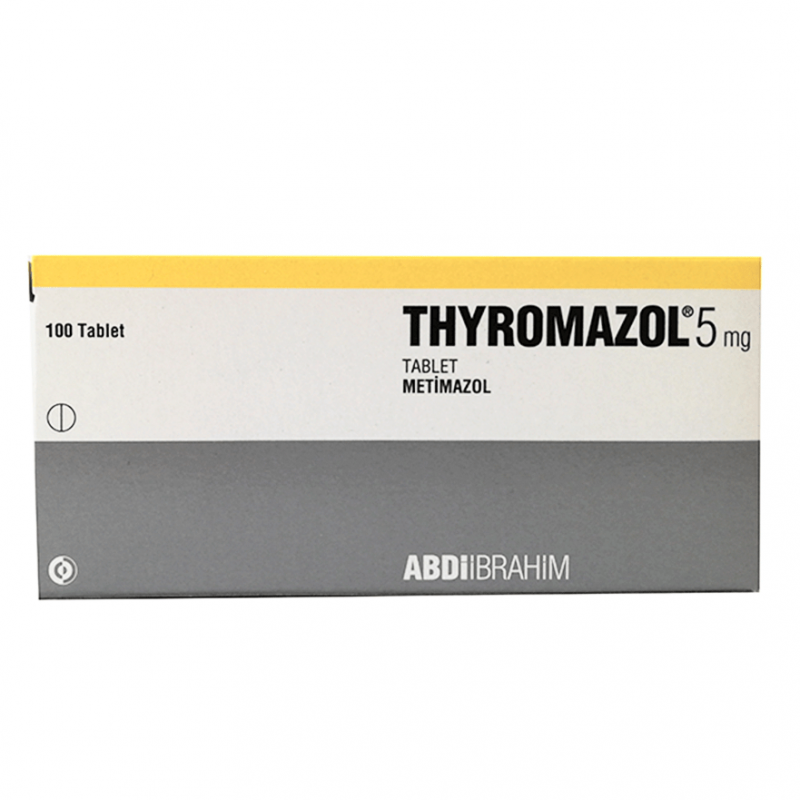
Methimazole
Methimazole is a potent medication tailored to effectively manage hyperthyroidism, a condition characterized by excessive production of thyroid hormones from the thyroid gland. Frequently prescribed prior to thyroid surgery, this medication helps lower hormone levels to mitigate potential complications during surgical procedures. Additionally, in veterinary medicine, methimazole plays a crucial role in treating hyperthyroidism in cats.
How It Works:This medication functions by inhibiting the enzyme thyroperoxidase, which is vital for the synthesis of thyroid hormones. By blocking this enzyme, methimazole prevents the conversion of iodide ions (I-) to iodine (I0), a key step in the formation of the hormone precursor thyroglobulin. This process is essential for producing the hormones triiodothyronine (T3) and thyroxine (T4). Importantly, methimazole does not affect the sodium-dependent iodide transporter on the basolateral membranes of follicular cells, which would require the use of competitive inhibitors like perchlorate and thiocyanate. Instead, it specifically targets the site of CXCL10.
Potential Side Effects:While using methimazole, it is crucial to be vigilant for symptoms such as fever or sore throat, as these may indicate agranulocytosis, a rare but serious side effect that lowers white blood cell counts, especially neutrophils. A complete blood count (CBC) with differential is recommended to confirm this condition, and discontinuation of the medication is necessary if confirmed. Recovery may be aided by the administration of recombinant human granulocyte colony-stimulating factor (rhG-CSF).
Possible side effects include:
- Skin rash
- Itching
- Unusual hair loss
- Nausea
- Vomiting
- Altered sense of taste
- Abnormal sensations (tingling, prickling, burning, tightness, and pulling)
- Swelling
- Joint and muscle pain
- Drowsiness
- Dizziness
- Decreased white blood cell count
- Reduced platelet count
- Aplasia cutis congenita (if exposed prenatally)
Individuals at a higher risk for side effects include those who:
- Take anticoagulants like warfarin (Coumadin), diabetes medications, digoxin (Lanoxin), theophylline (Theobid, Theo-Dur), and specific vitamins.
- Have a history of blood disorders such as leukopenia (low white blood cells), thrombocytopenia (low platelets), or aplastic anemia, along with liver diseases like hepatitis or jaundice.
- Are pregnant, planning to conceive, or breastfeeding. In these cases, propylthiouracil is often recommended as an alternative anti-thyroid medication. If pregnancy occurs while on methimazole, transitioning to propylthiouracil may be advised. Initial studies indicated potential fetal risks from methimazole; however, more recent research suggests these risks may not be significant.
- Are preparing for any surgical procedures, including dental surgeries.